埃德蒙顿考虑修改分区细则以规范出租屋和短期租赁
一些居民担心,城市填充式开发项目被用作临时出租屋。 Edmonton eyes changes to zoning bylaw to regulate lodging houses, short-term rentals 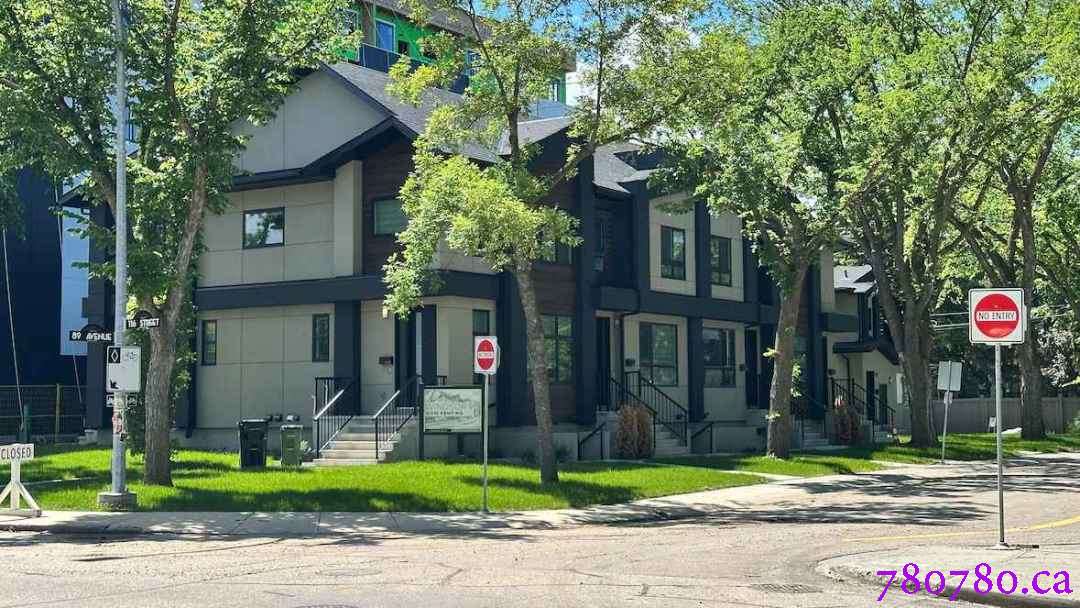 埃德蒙顿温莎公园社区的一些多单元住宅开发项目。市政府正在考虑修改相关规定,以更好地控制部分城市填充式开发项目中的租赁安排。(Craig Ryan/CBC) 由于埃德蒙顿居民对部分填充式开发项目的用途表示担忧,市议员们正在考虑修改出租屋和短期租赁的监管方式。 周四,市城市规划委员会听取了关于出租屋现行法规,以及市民对填充式住宅周边交通、停车问题和扰乱秩序行为的投诉。 分区细则团队的高级规划师丽莎·德鲁里 (Lisa Drury) 告诉市议员,自 2024 年分区细则更新以来,排屋数量的增加让一些居民“质疑某些排屋是否被用作出租屋或短期出租房,且比例很高”。 德鲁里补充说:“新分区细则并未预料到这类住宅安排的数量会如此之多。” 根据市政府的定义,出租屋是指包含四间或四间以上独立出租卧室的建筑物,这些卧室可能共用浴室。目前,从独立式住宅到多单元住宅,所有住宅建筑均允许设立出租屋。 市政府已提议修改相关规定,将出租屋定义的独立出租卧室的最低数量从四间减少到三间,并将睡眠单元总数上限设定为八间。 提议中的新法规要求出租三间卧室的业主需要办理营业执照,并受市政府关于出租屋的法规和执法部门的约束。 提议中的新法规要求排屋或多单元公寓中不允许设立出租屋。该报告指出,城市住宅区的多单元公寓本身就已容纳多人居住。 报告还补充道,拟议的附例修改将不允许在附属套房(例如地下室套房)内设立出租屋。 填充式开发者支持 在周四的会议上,委员会听取了几位支持加强监管的人士的意见。 BILD Edmonton Metro 填充式开发委员会副主席 Marty Pawlina 表示,该组织支持修改当地规定,以使规定明晰并保护租户权益。 “这些修改不会损害或针对那些建造合规多户住宅的信誉良好的运营商,” Pawlina 对委员会说。“更新这些规则意味着我们将直接影响那些试图在暗中经营隐蔽商业地产的较差的无证的运营商。” O-day’min 区议员 Anne Stevenson 表示,她认为提供通常比公寓单元租金更低的出租屋是需要的。 “分区当地法规并非监管老百姓的工具。” “我并不认为这项规定有效果,而且很可能在没有切实解决社区担忧的情况下,减少学生可负担住房的选择。”史蒂文森说道。 该市还提议收紧短期租赁的监管,目前短期租赁的时长最短为一小时,最长可达30天。 商业法规的修改将把最短租赁时长增加到12小时,并禁止将出租屋用作短期租赁。 市议会预计将在7月7日的会议上讨论拟议的区域划分和当地法规的修改方案。 爱城网编译报道 Edmonton eyes changes to zoning bylaw to regulate lodging houses, short-term rentals Some residents fear infill developments are being used as temporary lodging homes. Some multi-unit housing developments in Edmonton's Windsor Park neighbourhood. The city is looking at changes to better control the rental arrangements occuring in some city infill developments. (Craig Ryan/CBC) Prompted by concerns from Edmonton residents about how some infill developments are being used, city councillors are considering changes to how lodging houses and short-term rentals are regulated. The city’s urban planning committee on Thursday heard about current regulations around lodging houses, and citizen complaints about traffic, parking issues and disruptive behaviour around infill housing. Lisa Drury, a senior planner with the zoning bylaw team, told councillors that the increase in row housing since the 2024 zoning bylaw renewal has some residents “questioning whether some row houses are being used as lodging houses or short-term rentals with high turnover. “The volume of these types of residential arrangements were not anticipated as part of the new zoning bylaw,” Drury added. According to the city, a lodging house is a building that contains four or more individually rented bedrooms, which may have shared bathrooms. They’re currently permitted in all residential buildings, from single-detached houses to multi-unit developments. The city has proposed amending the regulation to lower the minimum number of individually rented bedrooms to three, down from four, and cap the total number of sleeping units at eight. Renting three bedrooms would require proprietors to take out a business licence and fall under the city’s regulations and enforcement of lodging houses. Lodging houses wouldn’t be permitted in row housing or multi-unit apartments in the city’s residential zone, as these developments by nature already house several people in the same building. The proposed bylaw change would not allow lodging houses to exist within a secondary suite, such as a basement suite, the report added. Infill developers in favour The committee heard from several people at Thursday’s meeting who spoke in favour of stricter oversight. Marty Pawlina, vice-chair of the infill committee at BILD Edmonton Metro, said the organization supports the bylaw changes to provide clarity and protect tenants. “They do not hurt or target reputable operators who build compliant multi-family properties,” Pawlina said to the committee. "Updating these rules means we directly impact the unpermitted bad-faith operators who try to run stealth commercial properties in the shadows." Anne Stevenson, Ward O-day’min councillor, said she believes that lodging homes, which typically offer lower rents than apartment units, are needed. “The zoning bylaw is just not a tool for regulating people,” Stevenson said. “I don't think it's effective and I think it has a real risk of decreasing affordable housing options for students without meaningfully addressing community concerns.” The city also proposes tightening the regulations on short-term rentals, which currently allow rentals for as little as one hour or as long as 30 days. Changes to the business bylaw would increase the minimum rental period to 12 hours, and forbid lodging houses to be used as short-term rentals. Council is expected to debate proposed zoning and bylaws changes at its July 7 meeting. By Natasha Riebe ---------------- 签名: 君子道者三:仁者不忧,知者不惑,勇者不惧。 回复 |

